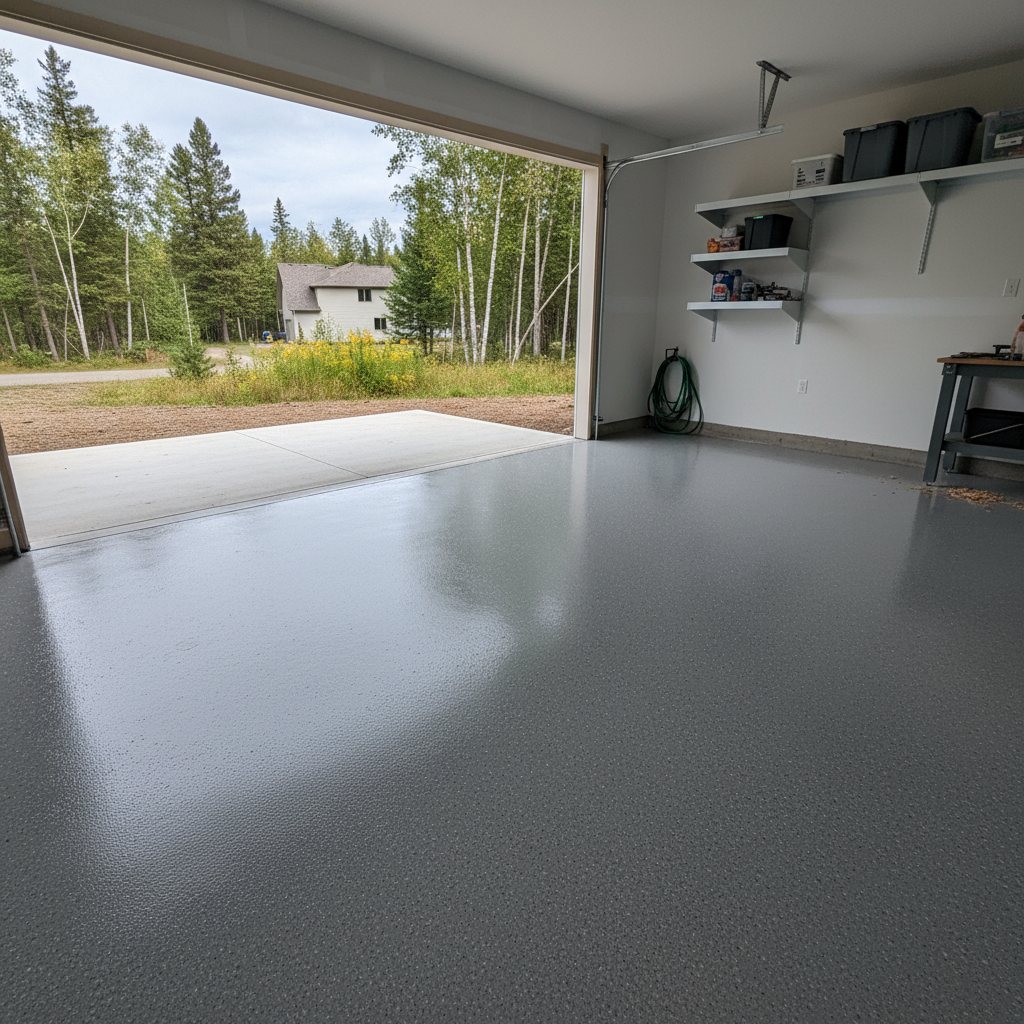
Alright, so you're thinking about giving that tired old concrete floor a facelift, huh? Maybe it's your garage, basement, or even a patio that's seen better days. Good call. Resurfacing can make a huge difference, not just in looks but in durability too. But before you jump in, there are a few things you should know to make sure your project goes smoothly. I've been doing this a long time here in Hermantown, and I've seen it all.
Setting Expectations: How Long Does This Really Take?
One of the first questions I get is always about the timeline. And look, there's no single answer because every project is a bit different. But I can give you a good general idea.
- Initial Chat & Quote: This usually happens pretty quick, a day or two after you call. We'll come out, take a look at your specific floor, measure things up, and talk about what you're hoping to achieve.
- Scheduling the Work: Once you've got the quote and you're ready to move forward, scheduling depends on our current workload and your availability. During peak seasons – like late spring or early fall when everyone's thinking about home improvement – you might be looking at a few weeks out. In the dead of winter, when folks are hunkered down, it might be quicker.
- The Actual Application: For most residential resurfacing jobs – think a standard two-car garage or a decent-sized basement – the actual application usually takes 1-3 days. This isn't just slapping some stuff on; it involves prep, multiple coats, and cure times between layers.
- Curing & Getting Back to Normal: This is the part people often forget about. While the floor might look great after we're done, it still needs time to fully cure and harden. You're typically looking at 24-48 hours before you can walk on it lightly, and then 5-7 days before you can drive a car on it or put heavy furniture back. Don't rush this! It's crucial for the longevity of your new surface.
So, from first call to full use, you could be looking at anywhere from a couple of weeks to a month, depending on how busy things are and the specific product we're using. Plan ahead, especially if you've got a big event coming up or need that space back by a certain date.
What to Expect During the Resurfacing Process
Knowing what's going to happen helps you prepare and keeps surprises to a minimum. Here's the general rundown:
- Preparation is Key: This is arguably the most important step. We'll start by clearing the area. Then, we clean and profile the concrete. This often involves grinding the surface to remove old coatings, sealers, or contaminants, and to create a rough profile so the new coating sticks well. We use specialized equipment for this, and yes, it can be a bit dusty, even with dust collection systems. We'll mask off walls and other areas to protect them.
- Repair Work: If you've got cracks, spalls, or divots, we'll fix those next. Filling and patching these imperfections ensures a smooth, even surface for the new coating.
- Base Coat Application: This is the first layer of your new resurfacing material. It bonds directly to the prepared concrete.
- Decorative Elements (if applicable): If you're going for flakes, quartz, or a specific design, we usually apply these while the base coat is still wet.
- Top Coats/Sealers: Finally, we apply one or more clear top coats. These provide the durability, UV protection, and desired finish (gloss, satin, matte).
It's a multi-step process, and each step needs its own time to set or cure properly. We'll keep you informed every step of the way.
How to Get Your Space Ready for the Crew
You can really help us out and make the whole process smoother by doing a little prep work yourself before we arrive. Think of it like clearing the decks before a big ship comes in.
- Empty the Area: This is a big one. Everything needs to be out of the space we're working on. If it's a garage, that means cars, tools, shelving, bikes – the works. For a basement, move furniture, boxes, anything sitting on the floor. Don't underestimate how much stuff you have!
- Clean Up: Give the floor a good sweep or vacuum. Remove any loose debris, dirt, or dust. While we'll do our own cleaning, getting the big stuff out of the way helps.
- Clear Access: Make sure we have a clear path to the work area. Move anything that might block doorways or hallways, especially if we're bringing in equipment.
- Pets & Kids: Keep pets and kids away from the work area during the process. It's a construction zone, and for their safety and ours, it's best they're not around.
- Ventilation: If you're comfortable, opening a window or two in an adjacent room can help with air circulation, especially during grinding and coating application. We'll bring fans, but every little bit helps.
Seriously, the more you can clear out, the less time we spend moving your stuff, and the more time we spend making your floor look fantastic. It makes a difference.
Smart Questions to Ask Before You Sign on the Dotted Line
Before you commit to any contractor, whether it's Primetime Concrete Coatings or someone else, you need to be asking the right questions. This isn't just about price; it's about making sure you're getting a quality job and that you're comfortable with who's doing the work.
- What's your exact process for surface preparation? Don't just accept "we prep it." Ask about grinding, crack repair, moisture testing. This is critical. If they skimp here, your coating won't last.
- What specific products are you using? Get brand names and product names. Look them up. Are they industrial-grade or something you can buy at a big box store? There's a huge difference.
- What's the warranty? What does it cover, and for how long? A good contractor stands behind their work. Understand the terms, what voids it, and what's considered normal wear and tear.
- Can I see some examples of your past work, maybe even talk to a previous client? Photos are good, but a direct reference is even better.
- Are you licensed and insured? This is non-negotiable. You want to make sure they're covered if something goes wrong.
- What's the expected cure time before I can use the floor fully? Get this in writing. It helps you plan.
- How do you handle dust and debris during the grinding process? We get some pretty dusty conditions here in Hermantown, especially with our clay soils, so dust control is a big deal. You don't want your whole house covered in concrete dust.
- What's the total cost, including all materials, labor, and any potential extra fees? Get a clear, itemized quote so there are no surprises.
Asking these questions shows you're serious and helps you weed out the less reputable folks. A good contractor will welcome your questions and be happy to explain everything. We certainly do. Your concrete floor is an investment, so make sure you're making a smart one.