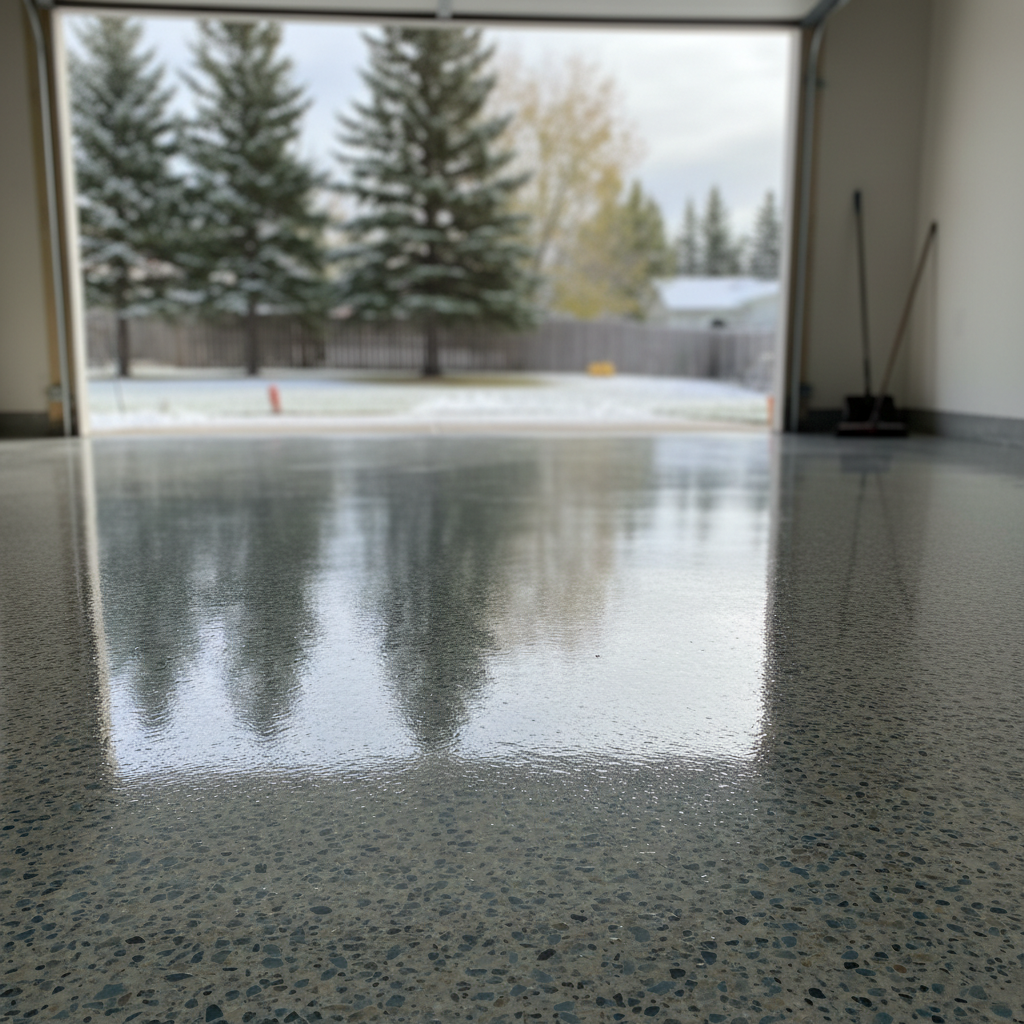
What exactly is an epoxy floor coating, anyway?
Alright, let's cut through the jargon. When I talk about an epoxy floor coating, I'm not just talking about a fancy paint job, you know? It's a two-part system – usually a resin and a hardener – that, when mixed, starts a chemical reaction. This reaction creates a super tough, hard plastic material that sticks incredibly well to concrete. It's much thicker and way more durable than regular paint. Think of it like a really strong, protective shield for your concrete, not just a color change. Here at Primetime Concrete Coatings, we use high-quality, industrial-grade stuff designed to last, not the flimsy kits you might find at a big box store.
How long does an epoxy floor coating really last in our Hermantown climate?
This is a big one, especially with our wild weather up here. A properly installed, high-quality epoxy coating can easily last 10-20 years, sometimes even longer. Now, that's assuming a few things: it was prepped right, applied correctly, and you're not driving a tank over it every day. The biggest enemies of how long it lasts are poor prep work and cheap materials. If the concrete isn't cleaned, etched, and repaired properly before we put anything down, it doesn't matter how good the epoxy is – it'll fail. Also, our harsh winters with all the road salt and freeze-thaw cycles can be tough. That's why we always suggest a top coat that's UV stable and resistant to chemicals. You'll get more life out of it in a garage than, say, an outdoor patio that's constantly exposed to the elements, but even then, it holds up remarkably well.
Can I really just DIY this, or should I call a pro?
Look, I'm a straight shooter. Can you buy an epoxy kit and try to do it yourself? Absolutely. Will it look as good or last as long as a professional job? Almost certainly not. And I'm not just saying that because I'm a contractor. There's a lot more to it than just rolling paint on. Concrete prep is crucial – grinding, patching, making sure it's perfectly clean and dry. If you miss a spot, or the moisture content is too high, you're setting yourself up for peeling and failure down the road. Plus, epoxy has a limited pot life once mixed, so you've got to work fast and know what you're doing to get an even, consistent finish. I've seen plenty of DIY attempts that end up costing more to fix than if the homeowner had just hired us in the first place. You're paying for expertise, specialized equipment, and a warranty when you go with a pro.
What's the typical timeline for getting an epoxy floor installed?
For most residential garages or basements, you're looking at a 2-3 day process, start to finish. Day one is almost entirely prep – grinding the concrete, repairing cracks and divots, and getting it perfectly clean. This is the most critical step and can't be rushed. Day two is usually the base coat and flake application, if you're going for that look. Then, we let that cure. Day three is when we come back to put on the clear topcoat, which really seals everything in and provides that extra layer of protection and shine. After that, you typically need to wait 24-48 hours before light foot traffic and about 72 hours to a week before you can drive a vehicle on it. It all depends on the specific product we're using and the temperature and humidity, which can be pretty variable here in Hermantown, especially during spring and fall.
Are epoxy floors slippery, especially when wet or with snowmelt?
That's a common concern, and it's a fair one. A smooth, glossy epoxy floor can definitely be slick when wet, just like any smooth surface. However, we have ways to fix that. The most common solution is to add an anti-slip additive to the final topcoat. It's usually a fine grit that gives the surface a bit of texture without being rough or uncomfortable to walk on. We can adjust the amount of grit depending on how much traction you want. For a garage, especially with all the snow and ice we deal with, I always recommend an anti-slip additive. For a basement or interior space, it might be less critical, but it's always an option to consider for safety.
What kind of maintenance do epoxy floors need?
This is one of the best parts about epoxy floors – they're super easy to maintain. Forget about scrubbing or waxing. For general cleaning, a broom or a dust mop usually does the trick. For spills or dirt, a simple mop with warm water and a mild, non-abrasive cleaner is all you need. Avoid harsh chemicals like bleach or acidic cleaners, as they can dull the finish over time. If you get oil or grease on it, just wipe it up quickly. The non-porous surface means nothing really soaks in. You don't have to worry about staining like you do with raw concrete. It's pretty much set it and forget it, which is a huge plus for busy homeowners.
Do epoxy floors work well in basements, or are they just for garages?
Epoxy floors are fantastic for basements! In fact, they're becoming more and more popular for interior spaces. They offer a clean, bright, and durable surface that's perfect for playrooms, home gyms, laundry rooms, or even just general storage areas. They're resistant to moisture, mold, and mildew, which is a big deal in basements where dampness can be an issue. Plus, with all the decorative flake options, metallic finishes, and solid colors, you can really customize the look to match your home's aesthetic. They're warmer underfoot than bare concrete, too, which is nice during our long winters. The key, again, is proper moisture testing before application. We always check for hydrostatic pressure in basement slabs to make sure the coating will bond correctly and last.