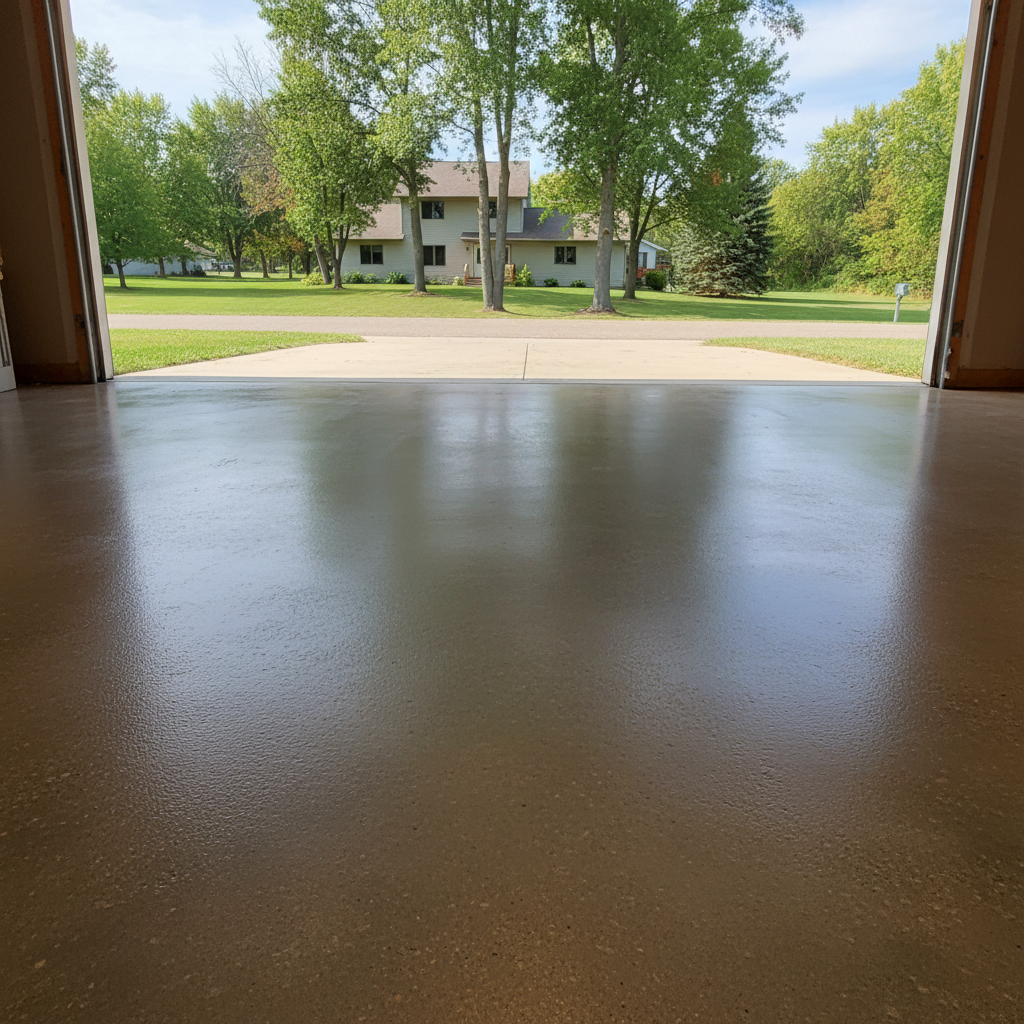
You've got concrete around your place – maybe a driveway, a patio, or even a garage floor. And you know it needs some serious protection, especially with our Hermantown winters, right? Sealing it is definitely the smart move. But, you know, I've seen a lot of folks make some pretty common, and sometimes pretty expensive, mistakes when they're planning or hiring for a concrete sealing project. Let's chat about what to watch out for so you don't end up kicking yourself later.
Mistake #1: Not Really Knowing What Your Concrete Needs
This one's probably the biggest. Not all concrete is the same, and neither are all sealers. I've had homeowners call me up, saying they just need their driveway 'sealed,' but they haven't even thought about the kind of abuse it takes. Is it a brand new slab that just needs a shield from the weather? Or is it an older one with some small cracks and spalling that needs more than just a clear coat?
See, there are different types of sealers out there: penetrating sealers, topical sealers, acrylics, epoxies, polyureas. Each one does its own thing. A penetrating sealer, for instance, soaks right into the concrete, protecting it from the inside without really changing how it looks. Topical sealers, on the other hand, create a protective layer on top, often making the color pop or giving it that wet look. If you've got a garage floor that constantly sees oil spills and heavy vehicles, you're going to need something much tougher – like an epoxy or polyurea system – than if you're just trying to keep your sidewalk looking nice.
The big mistake here is thinking 'sealer' is a one-size-fits-all product. It just isn't. Talk to your contractor about what you use your concrete for, what shape it's in now, and what you hope it'll look like when they're done. A good pro will walk you through all the choices.
Mistake #2: Hiring the Cheapest Bid Without Asking Questions
Look, I get it. Everyone wants to save a buck. But when it comes to concrete work, just picking the absolute lowest bid without doing your homework? That's usually a recipe for disaster. I've seen too many cases where a homeowner goes with the cheapest guy, and then six months later, the sealer is peeling, flaking, or just not holding up. Then they call me to fix someone else's crummy work, which, honestly, usually costs more than if they'd hired a quality contractor to begin with.
Here's what you absolutely need to ask:
- What kind of prep work do you do? This is huge. If they're not cleaning, degreasing, and maybe even grinding or acid etching the surface properly, that sealer won't stick. Period.
- What specific products do you use? Ask for brand names and the product data sheets. Go look them up! Are they commercial-grade products made for our climate, or just something you can grab off the shelf at a big box store?
- What's your warranty? A trustworthy company will stand behind what they do.
- Are you insured? This protects you if anything goes wrong during the job.
- Can you provide references? And actually call them!
Don't be shy about asking these questions. You're putting money into your home; you deserve to know exactly what you're getting.
Mistake #3: DIYing Without the Right Knowledge or Equipment
Some folks think,